The Shifting Landscape of Industrial Real Estate
The industrial real estate market, once booming with activity and sky-high lease rates, has gradually shifted into a more measured pace over the past 18 months. This change has prompted companies, investors, and market watchers to take a closer look at the tricky parts of lease negotiations and the overall market pulse. With rental costs cooling off and inventory on the rise, many stakeholders are now forced to figure a path through the twists and turns of an evolving environment.
Although industrial spaces are still a key component of many business strategies, the current environment—with new warehouse supply slowly coming online and fresh construction projects in decline—presents tangled issues that require a fresh perspective. For companies aiming to upgrade to higher-quality space, especially in the ever-demanding Class A sector, the challenge now is not just about finding the right building but also about negotiating terms that truly reflect current conditions.
Understanding the Current Industrial Real Estate Market
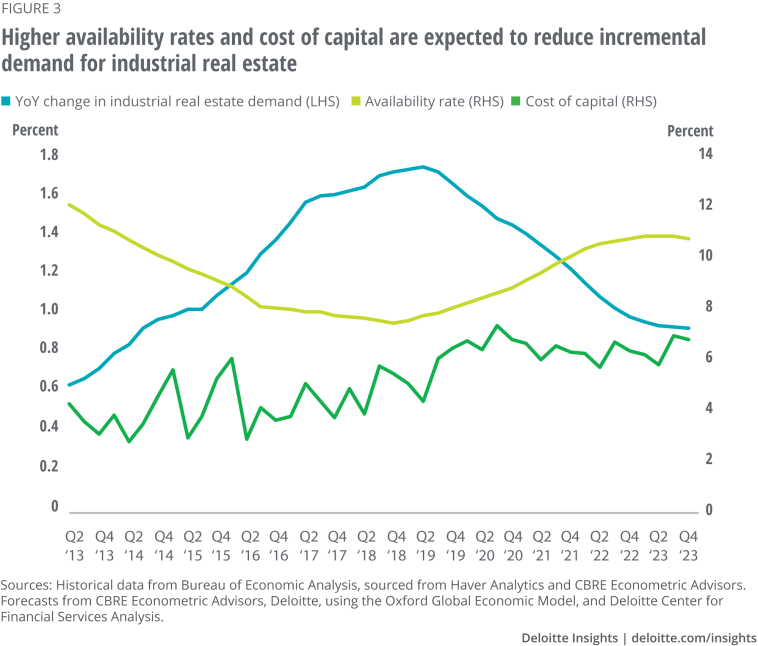
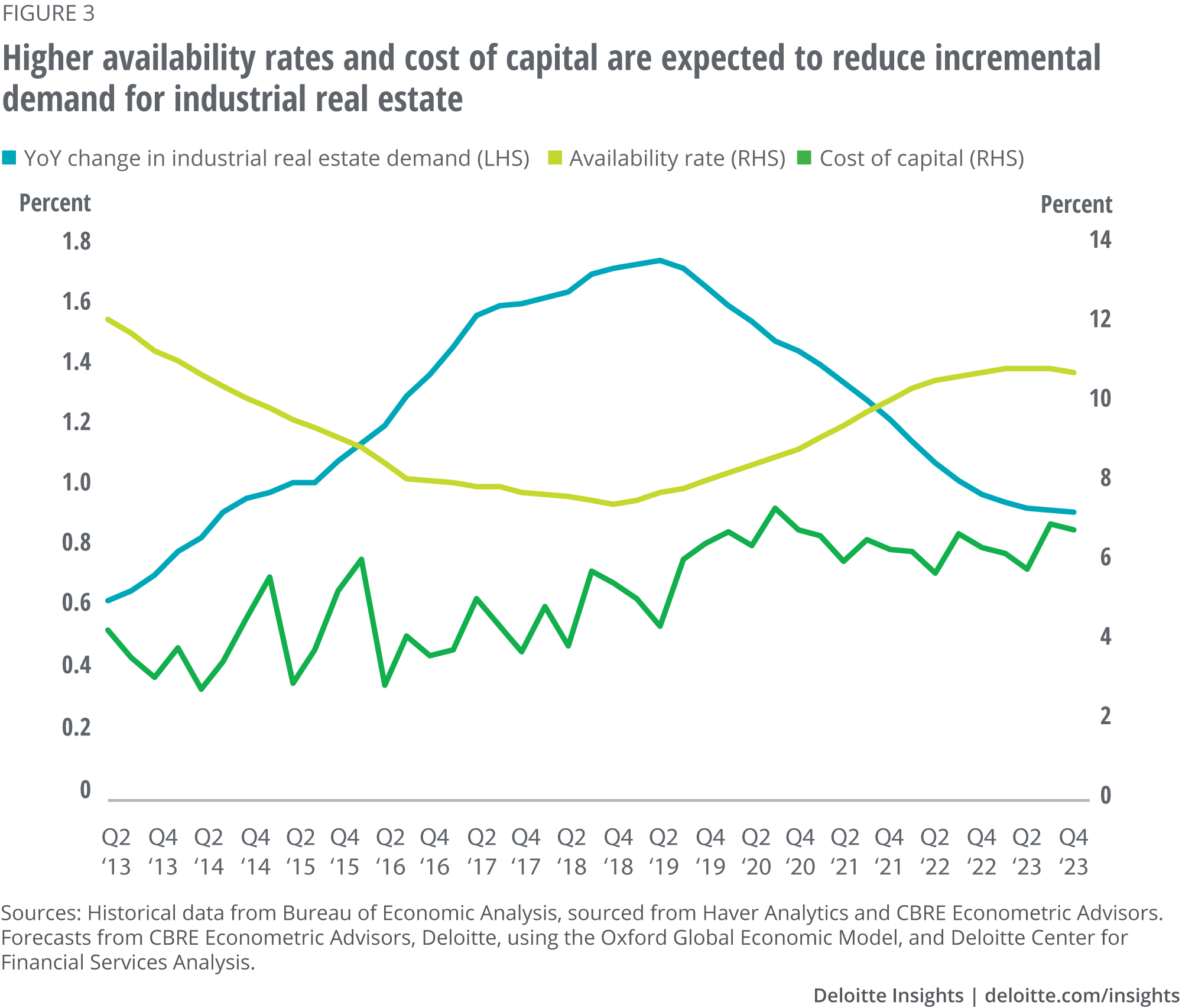
Once a high-stakes domain fueled by an unprecedented surge in demand, the industrial real estate market is now in a transitional phase. Vacancy rates in many regions have seen a steady increase, fueled by the growing inventory of warehouses and distribution centers. Simultaneously, the market is experiencing a slowdown in rent growth—a sign that the days of sky-high prices may be behind us, at least for now.
This cooling off period is prompting a re-assessment of traditional lease administration practices. Companies once accustomed to operating in a fast-paced, competitive environment must now re-evaluate lease strategies and future space requirements. As occupants begin to dig into the available opportunities, many are discovering that what once seemed intimidating is now offering negotiation opportunities that could have long-term advantages.
Market Cooling: The Rise in Industrial Vacancy
Industrial vacancy rates are on the rise as a result of several intertwined factors. The market that once operated in a state of near-maximum efficiency is confronting a turnaround as new warehouse supply is entering the arena. This increase in available space means that companies once facing a nerve-racking rush for new facilities now have more options to consider.
Key Elements Contributing to Rising Vacancy Rates
- New Supply Coming Online: With several regions witnessing the build of additional warehouse space, availability has increased significantly.
- Decreased New Construction: Surprisingly, while some areas see an influx of spaces, the overall pace of new development has slowed, leaving the market with a unique mix of old and new facilities.
- Tenant Hesitancy: Economic uncertainty and the memory of past high costs have made occupancy decisions more cautious, reshaping lease terms and tenant expectations.
For companies that have been searching for updated facilities, the current supply boost provides a welcome chance to step back and evaluate the little details that truly matter in a lease agreement. Instead of being overwhelmed by the prospect of limited options, comparing features such as location, infrastructure quality, and additional amenities can signal smarter decisions.
The Trend Toward Facility Consolidation and Modernization
One notable trend in the industrial market is the increased move to consolidate smaller facilities into modern, “future-proof” spaces. This shift is often driven by the need for updated infrastructure, better employee amenities, and the desire to keep pace with technological advancements. Companies that once operated out of multiple older sites are now taking a closer look at how modern facilities can offer improved operational efficiency.
Why Consolidation is Gaining Popularity
The drive to consolidate facilities is fundamentally a response to the need for space that supports both current operations and future growth. Modern industrial spaces often come with:
- Enhanced Infrastructure: Upgraded systems and technology integrations that ensure smoother operations.
- Employee-Friendly Amenities: Facilities designed with staff comfort in mind, which can lead to better productivity and satisfaction.
- Future-Proofing Capabilities: Buildings built to easily integrate emerging technologies, reducing the need for future, disruptive upgrades.
This strategy not only streamlines operations but also positions companies more favorably when it comes time to negotiate leases. Rather than dealing with a spread of tricky parts across various contracts, having a centralized, modern facility can reduce those tangled issues and introduce a more consistent lease strategy.
Quality Spaces in a Competitive Arena
Even as the broader market begins to cool, Class A properties have continued to attract significant attention. These high-quality, state-of-the-art spaces remain a hot commodity, reflecting a persistent flight to quality among occupiers. As companies scout for new opportunities, many of them are discovering that despite some quoted lease rates being pegged to old, pandemic-era numbers, the current market conditions have created openings for well-informed occupiers to negotiate more favorable terms.
The Appeal of Class A Industrial Spaces
Class A properties stand apart for several reasons:
- Modern Design: These spaces offer innovative layouts that cater to both operational efficiency and aesthetic appeal.
- Improved Infrastructure: Up-to-date facilities often have better energy efficiency, connectivity, and safety features.
- Competitive Edge: Leasing a Class A space can also be a branding advantage, signaling success and stability to partners and customers alike.
This focus on quality is especially important for companies in fast-evolving sectors, where small twists in contractual terms or facility features can have substantial implications over time. In these cases, taking the time to compare the fine points of different properties can be a game changer in the lease negotiation process.
Lease Negotiations in a Transitional Market
With the market in a state of flux, lease negotiations have become both more challenging and more opportunistic. For companies with lease expirations on the horizon, the current environment is full of small distinctions and slight differences that need close attention. Occasional signs of lingering high prices provide negotiating counterpoints that, when addressed correctly, can help reduce operational costs and secure a more favorable lease term.
Approaching Lease Negotiations with Confidence
Here are some tactical steps to consider when sorting out your lease arrangements in this shifting market:
- Do Your Homework: Research the current market trends and understand what similar facilities are offering. This is essential before beginning any negotiation process.
- Focus on the Fine Points: Look closely at the little details—the subtle parts of lease agreements that can impact overall cost and flexibility.
- Be Ready to Walk Away: If the terms do not align with your long-term objectives, be prepared to explore other opportunities. This kind of stance can often lead to better bargaining terms.
- Leverage Modern Facilities: Use the rise in new, well-designed spaces as a negotiating tool. Highlight the benefits of newer infrastructure if the lease terms for older spaces seem off the mark.
By taking the wheel and managing your way through these discussions, companies can transform what might have seemed a nerve-racking experience into one of strategic opportunity. With a blend of informed research and tactical negotiation, the seemingly intimidating aspects of industrial leasing become manageable, even rewarding.
Evaluating Emerging Trends in Industrial Market Dynamics
While immediate market conditions provide a snapshot of opportunities and challenges, the longer view reveals even more subtle details that could shape future trends. The current environment, with its mixed signals, underscores the need for companies to not only adapt to immediate changes but also to plan carefully for the future. Here are some emerging trends that deserve a closer look:
Integration of Technology in Facility Management
The digital transformation of industrial spaces is a subject that deserves attention. Modern facilities increasingly incorporate technologies such as AI-driven building management systems, automated inventory control, and improved security protocols. These innovations can make a significant difference in operational efficiency and safety, providing a boost in overall facility value.
- Smart Security Systems: Emerging technologies offer enhanced monitoring capabilities, making factory and warehouse security more robust.
- Data-Driven Decision Making: With the help of analytics, facility managers can gain insights into space utilization and maintenance needs, turning raw data into actionable strategies.
- Efficiency Improvements: Automation in various operations can lead to faster response times and better overall performance in both everyday functions and emergency situations.
By understanding and incorporating these technological advancements, companies can stay ahead of the curve and ensure that their lease decisions today will support robust operations well into the future.
Environmental Considerations and Green Leasing
Environmental sustainability has quickly moved from a “nice-to-have” to an essential component of industrial real estate. As companies become increasingly aware of their environmental impact, green leasing practices are emerging as a critical factor in building selection. This approach not only addresses energy efficiency and waste reduction but also aligns with broader corporate social responsibility goals.
Key aspects of green leasing include:
- Energy Efficiency: Modern facilities often feature energy-saving designs and construction practices that lower operational costs.
- Sustainable Materials: The use of eco-friendly building materials can reduce environmental footprints and enhance building longevity.
- Recycling and Waste Management: Integrated waste management systems help maintain a clean and sustainable work environment.
As more companies turn their attention to these environmental needs, negotiating green lease terms has become a must-have aspect of the negotiation process. This trend is not only beneficial for the planet but also strengthens a company’s public image as a forward-thinking, responsible organization.
Adapting to Market Signals: Strategies for the Future
Market signals, both encouraging and cautionary, are abundant in the current industrial real estate landscape. As companies face lease expirations and plan future space requirements, decision-makers must take time to compare operational benefits and strategic risks. The market is replete with fine shades and slight differences that, when considered carefully, provide a competitive edge.
Strategies for Future Lease Success
If you are facing lease negotiations or considering a new lease, consider these strategies to turn seemingly overwhelming market conditions into a competitive advantage:
- Stay Informed: Regularly review market reports, attend industry webinars, and network with peer organizations to get a real-time sense of market dynamics.
- Engage Expert Advisors: Work with commercial real estate professionals who can offer insights into current conditions and help you measure the potential trade-offs in lease terms.
- Take a Holistic Approach: Focus not only on immediate leasing costs but also on the long-term benefits, such as operational efficiencies and technological integration, that can enhance overall business performance.
- Flexible Lease Structures: Negotiate terms that provide room for growth or contraction to ensure that your lease adapts to future business conditions. Such flexibility might include options for renewals, expansions, or even early termination under specific circumstances.
Implementing these strategies can help you make more informed decisions, transforming the confusing bits of today’s market into actionable steps that safeguard your business objectives.
Weighing Lease Terms and Conditions in a Cooling Market
The current market conditions—marked by rising vacancy rates and a cautious approach to lease commitments—offer a unique opportunity to re-examine lease terms in detail. Instead of being bogged down by what might seem like labyrinthine lease agreements, companies can use this period to negotiate more flexible and advantageous terms.
Lease Essentials and Points of Consideration
When taking a closer look at your lease options, consider these essential factors:
- Base Rent vs. Additional Costs: Make sure to differentiate between the base rent and any hidden fees or additional charges that could add up over time.
- Duration and Flexibility: Evaluate whether shorter-term leases with renewal options might ultimately be more cost-effective, given the current market volatility.
- Maintenance and Upkeep: Confirm which party is responsible for ongoing maintenance as industrial properties age differently depending on usage and design. These subtle parts of the lease can have long-lasting financial implications.
- Exit Clauses and Scalability: Ensure that the lease you sign provides clear provisions for exiting the lease or scaling operations if your business needs change unexpectedly.
These considerations, while sometimes appearing to be just fine details, are, in fact, key components that determine whether a lease will serve your business well in both the short and long term.
The Future Outlook for Industrial Real Estate
Looking ahead, the industrial real estate market continues to hold promise even as it adjusts to a slower pace of growth. With a clear shift towards quality, improved infrastructure, and thoughtful lease negotiation practices, both occupiers and property owners have a chance to benefit from more balanced market conditions. Taking the wheel in this transitional market means being prepared for both the promising opportunities and the occasional nerve-racking hurdles that lie ahead.
Opportunities on the Horizon
For many, the current market reset is not a signal of imminent decline but a chance to focus on quality and future-proof solutions. Here are some emerging opportunities that companies might consider:
- Modernization of Facilities: The push towards consolidating older spaces into more efficient, technologically-advanced facilities is well underway and offers operational benefits.
- Flexible Lease Negotiations: With fewer buyers scrambling in a super competitive market, the negotiating table now offers ample room for movement—provided you are well informed.
- Technology-Driven Management: Adopting smart building technologies can streamline operations, enhance security, and reduce ongoing maintenance costs.
- Sustainable and Green Leasing: As environmental regulations tighten and companies focus on sustainability, green leasing arrangements can provide both ecological and economic benefits.
This future-oriented approach emphasizes the need for companies to think beyond immediate costs and challenges. Instead of being overwhelmed by a cooling market, forward-thinking organizations can use this period of transition to strengthen their long-term strategic positions.
Managing Your Way Through a Transitional Industrial Market
While today’s market is full of mixed signals ranging from improved lease negotiation opportunities to lingering concerns over rental pricing, one thing remains clear: companies must now take a more proactive role in managing the twists and turns of their lease agreements.
By fostering a deeper understanding of the evolving industrial landscape, business leaders can look past what might seem like overcomplicated hurdles and instead craft strategies that align with both present needs and future goals. Whether you’re updating existing lease contracts or seeking a new facility altogether, the key lies in being well-prepared, informed, and flexible as you figure a path forward.
Taking the Wheel: A Call for Strategic Adaptation
In every market downturn or cooling period lies an opportunity to reassess and adapt. What may have once been an intimidating maze of lease terms and older contractual frameworks is now a chance to rethink and modernize operations. There is an open invitation to companies to steer through the current industrial market by embracing a more modern approach to facility management, lease negotiations, and sustainable practices.
As more businesses choose to invest in quality spaces and streamlined operations, the industrial sector could soon witness a period of renewed growth – one characterized by flexibility, technological advancement, and a commitment to long-term value creation. The secret lies in making informed decisions that take into account both the current market state and the subtle parts that will shape future opportunities.
Lessons Learned: Practical Takeaways for Industry Leaders
After closely examining the trends and challenges discussed above, here are some practical takeaways that industry leaders can implement as they work through the present market uncertainties:
- Do Regular Market Reviews: Constantly keep an eye on market reports and trends. Staying informed is absolutely critical to recognizing when the market shifts and how those shifts may affect your lease negotiations.
- Prioritize Facility Modernization: Whether consolidating smaller facilities or moving into modern spaces, ensure that your operational footprint supports growth and efficiency.
- Engage Experienced Advisors: Work with professionals who understand the little twists and turns of lease negotiations. Their guidance can help you avoid costly missteps while capitalizing on negotiation opportunities.
- Focus on Flexibility: Contracts should be structured to offer flexibility. This approach will allow you to adjust to unforeseen shifts in market conditions and business requirements.
- Adopt Green Practices: Integrate sustainability into lease discussions. Not only can this reduce costs through improved energy efficiency, but it also positions your company as a responsible leader in environmental practices.
These actionable steps, when incrementally applied, can transform a period of market slow-down into a strategic advantage. The industrial market is, after all, a living entity — subject to seasonal changes, economic cycles, and technological revolutions. By continuously updating strategies and policies, businesses can stay ahead of these trends and even thrive during times of transition.
Conclusion: Embracing Change in Industrial Real Estate
We find ourselves at a crossroads where past high-energy market behaviors are giving way to a new era of careful, calculated leasing and facility management. The industrial real estate environment is now rich with opportunities if one is ready to take a closer look at the subtle details and negotiate effectively through the confusing bits. Whether it’s by consolidating operations, opting for technology integration, or pushing for greener solutions, the path forward is filled with potential for those willing to adapt.
Managing your way through this transitional market involves balancing multiple factors—from the current oversupply of space to the continued demand for Class A facilities. It’s a call to move away from purely reactive strategies and instead embrace a proactive, research-driven approach that prioritizes long-term benefits over short-term relief.
In the end, this market reset is not so much a warning sign as it is an invitation: an invitation to reassess, renegotiate, and re-envision how industrial spaces serve modern business needs. With the right mix of preparation and adaptability, companies can find their way not only to survive but to thrive in an ever-changing real estate landscape.
As we look towards the future, one thing remains constant – the need to plan ahead. By understanding market dynamics, focusing on quality spaces, and negotiating leases that account for both today’s challenges and tomorrow’s opportunities, industrial real estate stakeholders are well-positioned to transform a cooling period into a catalyst for enduring success.
Originally Post From https://www.jll.com/en-us/guides/navigating-a-shifting-industrial-real-estate-market
Read more about this topic at
The ABC of Navigating Industries Transitions
Transition Report 2024-25 • Navigating industrial policy